Crypto Scam Recovery in 2026: New Threats, New Laws, and New Hope for Victims
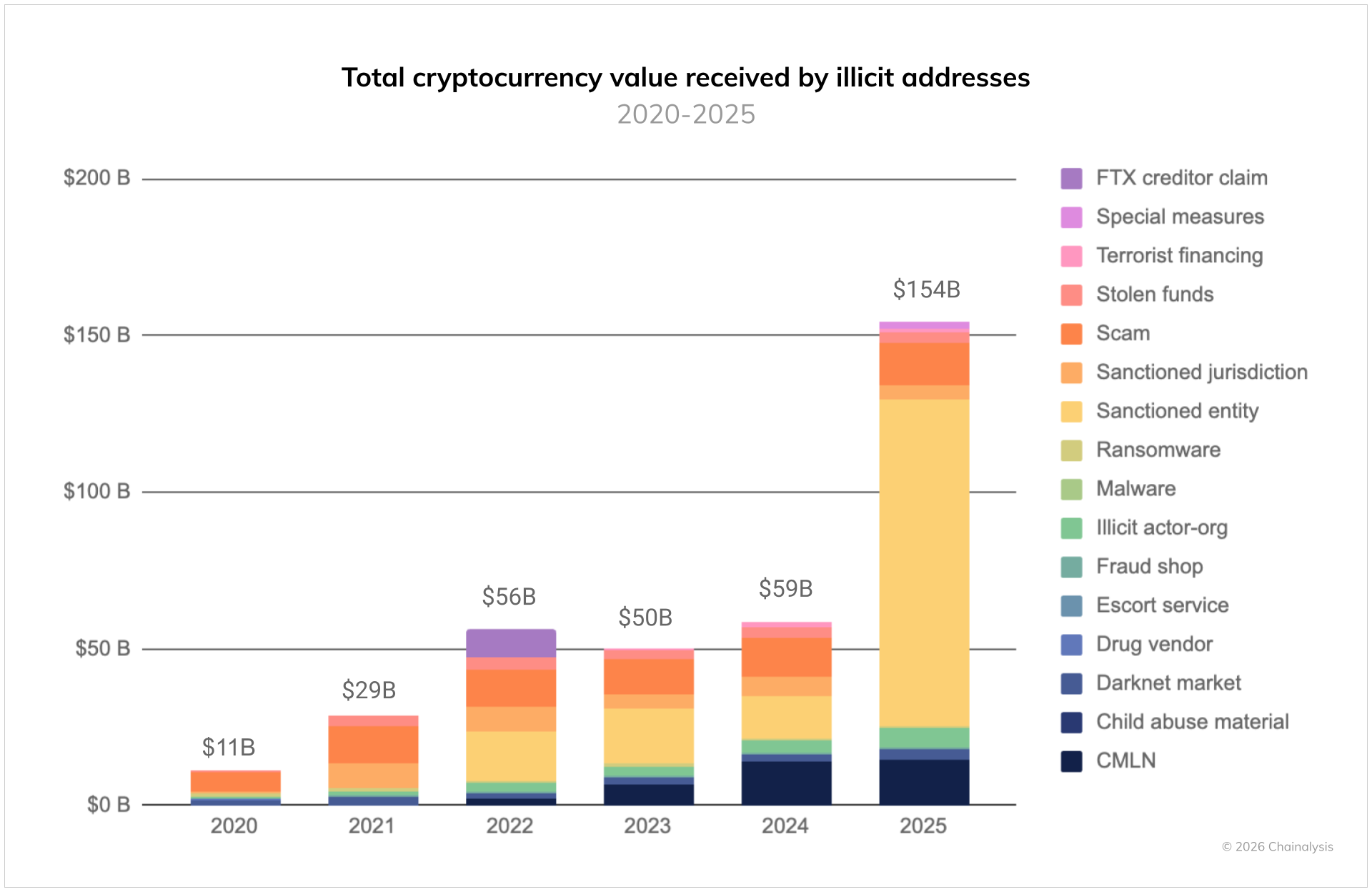
Cryptocurrency fraud is not standing still—and neither is recovery. As we move deeper into 2026, scammers are evolving their tactics, exploiting new technologies, and adapting to increased awareness. At the same time, laws, compliance frameworks, and recovery strategies are becoming more sophisticated, creating new opportunities for victims to fight back.
This article explores how crypto scams are changing in 2026, what new legal and regulatory developments mean for recovery, and why victims today have more leverage than ever before—when they act correctly.
How Crypto Scams Are Evolving in 2026
Fraudsters are no longer relying on simple phishing links or obvious fake platforms. Modern crypto scams are professionally engineered operations, often run by organized groups with technical, legal, and psychological expertise.
Emerging Scam Trends in 2026
AI-Enhanced Social Engineering
Scammers increasingly use AI-generated messages, voice cloning, and deepfake videos to impersonate:
Investment advisors
Company executives
Romantic partners
Customer support agents
These tactics dramatically increase credibility and emotional manipulation.
Sophisticated Fake Platforms
New scam platforms now include:
Real-time dashboards
Simulated trading activity
Fake compliance documents
“Customer service” departments
Victims are shown convincing data that reinforces trust before losses occur.
Hybrid Scams
Many scams now combine:
Romance manipulation
Investment fraud
Fake recovery offers
Follow-up extortion attempts
This layered approach maximizes losses and confusion.
Why Victims Are Still Being Told “Nothing Can Be Done”
Despite progress, misinformation remains widespread.
Victims are often discouraged by:
Outdated advice from non-specialists
Generic law enforcement responses
Online myths about “untraceable crypto”
Recovery scammers spreading fear
The reality in 2026 is very different.
The Legal Landscape Is Catching Up to Crypto
One of the most important shifts in recent years is legal recognition of digital assets as recoverable property.
Key Legal Developments Affecting Recovery
Stronger Exchange Compliance
Most major exchanges now operate under:
Mandatory AML frameworks
Enhanced KYC obligations
Transaction monitoring systems
Court-recognized asset restraint procedures
This increases opportunities to freeze stolen funds.
Expanded Cross-Border Cooperation
International regulators are sharing data and enforcing:
Mutual legal assistance treaties
Cross-jurisdictional freezing orders
Coordinated fraud investigations
Crypto crime is no longer “too global” to pursue.
Judicial Precedents for Digital Assets
Courts increasingly recognize:
Cryptocurrency as property
Wallet control as ownership
Blockchain evidence as admissible
Exchanges as compliance intermediaries
These precedents strengthen recovery claims.
Why Recovery in 2026 Is More Viable Than Before
The gap between scammers and recovery professionals is narrowing.
What Has Improved
Advanced blockchain forensic tools
Faster exchange response times
Better legal clarity
Increased regulatory pressure
Higher institutional awareness
Scammers now face more friction at every stage of laundering stolen assets.
The Role of Technology in Modern Recovery
Blockchain Forensics Has Matured
Modern tracing tools can:
Follow assets across chains
Identify wallet clusters
Detect laundering patterns
Flag exchange touchpoints
What once took months can now be done in days.
Data Correlation Is the New Advantage
Investigators combine:
Blockchain data
Exchange records
Open-source intelligence
Prior scam databases
This transforms anonymous activity into actionable intelligence.
Why Victims Still Fail—Even in 2026
Despite progress, many victims still miss recovery opportunities.
Common reasons include:
Waiting too long to act
Trusting fake recovery agents
Confronting scammers directly
Providing incomplete evidence
Using firms without crypto-specific expertise
Recovery success still depends on early, informed decisions.
What Recovery Looks Like in 2026 (Step by Step)
Immediate evidence preservation
Professional blockchain tracing
Identification of exchange or issuer touchpoints
Legal and compliance escalation
Asset freezing or restraint
Disclosure of wallet ownership where possible
Repatriation or settlement
This process is structured—not speculative.
Why Victims Are Turning to the Fraud Counsel Department in 2026
As scams grow more complex, victims seek specialists—not generalists.
The Fraud Counsel Department focuses exclusively on:
Cryptocurrency fraud investigations
Blockchain forensic tracing
Legal and compliance recovery strategies
Cross-border coordination
Victim-centered, transparent case handling
We adapt alongside the threat landscape—because recovery in 2026 requires modern tools and modern law.
The New Hope for Crypto Scam Victims
The narrative is changing.
Victims are no longer powerless.
Blockchains are no longer misunderstood.
Exchanges are no longer unaccountable.
Courts are no longer hesitant.
Hope in 2026 is not optimism—it is infrastructure, law, and evidence working together.
What Victims Should Do Right Now
If you’ve been affected by a crypto scam:
Do not assume it’s too late
Preserve all transaction data
Avoid unsolicited recovery offers
Seek professional evaluation quickly
Act before laundering deepens
Time still matters—but opportunity exists.
The Future Belongs to Informed Action
Crypto scams will continue to evolve. So will recovery.
Victims who act decisively, use professional support, and rely on evidence—not fear—stand the best chance of reclaiming control in 2026 and beyond.
Start Your Recovery Journey Today
If you or someone you know has suffered cryptocurrency fraud, expert help is available.
📞 Confidential Consultation: +1 (719) 205-0927
📧 Support Team: Admin@fraudcounsel.net
📍 U.S. Office: 250 International Pkwy, Lake Mary, FL 32746