Tracing USDT, Bitcoin, and Ethereum: How Investigators Follow Digital Money
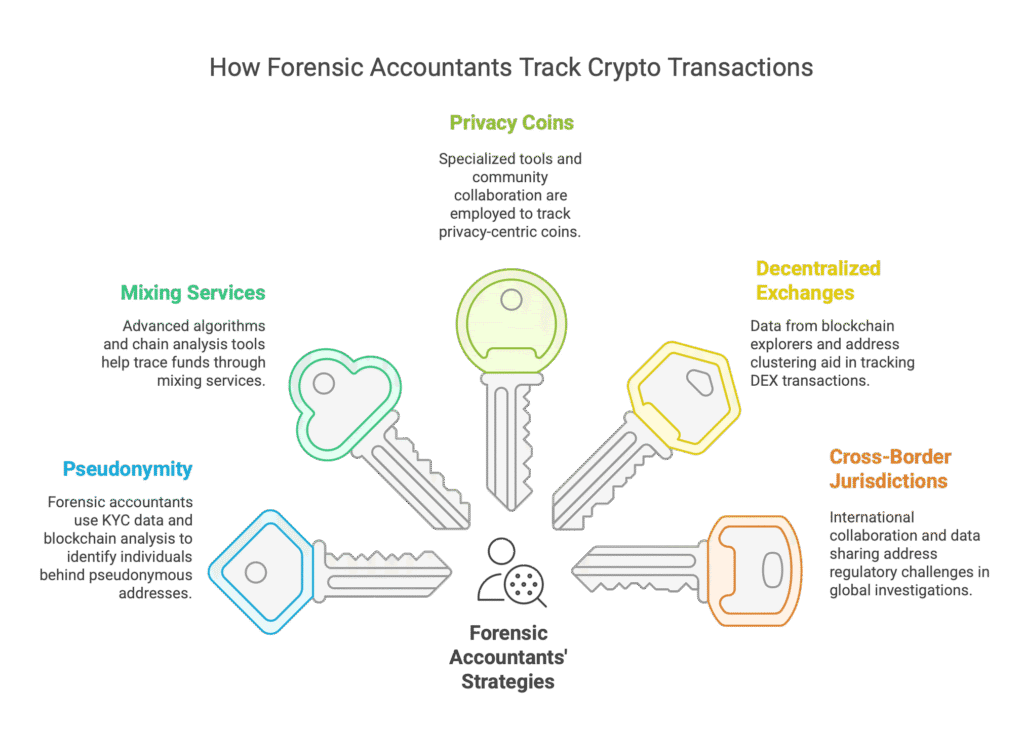
One of the most persistent myths in cryptocurrency fraud is that once funds are moved, they vanish into the blockchain forever. In reality, Bitcoin, Ethereum, and USDT are among the most traceable financial instruments ever created. Every transaction leaves a permanent, auditable trail—one that professional investigators can follow across wallets, platforms, and borders.
This article explains how digital asset investigators trace stolen cryptocurrency, the differences between tracing BTC, ETH, and USDT, and why professional blockchain analysis plays a decisive role in modern crypto recovery.
Why Cryptocurrency Is Traceable by Design
Blockchains were built to solve a trust problem—by making transactions public, immutable, and verifiable.
What this means for investigations:
Every transfer is timestamped
Wallet addresses are permanently recorded
Transaction paths cannot be erased
Fund movements remain visible years later
Unlike cash, cryptocurrency remembers where it has been.
Understanding the Three Most Commonly Traced Assets
Bitcoin (BTC): The Original Transparent Ledger
Bitcoin operates on a fully public blockchain, making it highly traceable when analyzed correctly.
Investigators can:
Follow BTC across unlimited wallet hops
Identify consolidation patterns
Detect peeling chains used in laundering
Track deposits into centralized exchanges
Although Bitcoin wallets are pseudonymous, patterns reveal ownership over time.
Ethereum (ETH): Smart Contracts Leave Extra Evidence
Ethereum adds another layer of traceability through smart contracts and token interactions.
ETH tracing includes:
Wallet-to-wallet transfers
Smart contract execution logs
Interaction with DeFi protocols
Token swaps and approvals
Each interaction creates additional forensic signals investigators can analyze.
USDT (Tether): Compliance Meets Traceability
USDT is one of the most frequently used assets in crypto scams—and one of the most recoverable.
Why USDT is different:
Issued by a centralized entity
Subject to compliance controls
Can be frozen at the token level
Frequently routed through exchanges
USDT tracing often provides strong leverage in recovery cases.
How Investigators Follow Digital Money Step by Step
Step 1: Transaction Mapping
Investigators begin by mapping:
Originating wallet (victim)
Initial scam wallet
Intermediate hops
Final known destination
This creates a transaction graph that visually represents fund movement.
Step 2: Wallet Clustering
Criminals use multiple wallets—but behavior links them together.
Clustering techniques identify:
Wallets controlled by the same entity
Reused spending patterns
Shared gas fees or timing
Common exchange deposit behavior
Clusters transform scattered addresses into organized networks.
Step 3: Laundering Pattern Identification
Professional analysts recognize common laundering tactics:
Rapid hopping
Time-delay transfers
Cross-chain bridges
Token conversions
Use of privacy tools
Recognizing these patterns helps predict next moves.
Where Tracing Turns Into Recovery
Tracing alone is not recovery. Recovery begins when funds intersect with controlled environments.
Key intervention points include:
Centralized exchanges
Custodial wallets
Stablecoin issuers
Payment processors
At these points, blockchain evidence becomes actionable.
Why Professional Tools Matter
Public block explorers show transactions—but they don’t explain them.
Professional investigations use:
Advanced graphing software
Risk scoring systems
Cross-chain analytics
Historical wallet databases
Behavioral heuristics
These tools convert raw data into legal-grade intelligence.
Common Misconceptions About Crypto Tracing
“If funds pass through a mixer, they’re gone”
False. Mixers complicate tracing but do not eliminate patterns—especially when funds later exit to exchanges.
“Bridges make funds untraceable”
Incorrect. Cross-chain movements are traceable when mapped correctly.
“Only law enforcement can trace crypto”
Not true. Professional forensic teams regularly trace assets and support legal recovery efforts.
Why Victims Cannot Do This Alone
DIY tracing fails because:
Data becomes overwhelming
Patterns are misinterpreted
Legal framing is missing
Exchanges require formal escalation
Errors weaken credibility
Effective tracing requires experience, tools, and authority.
How the Fraud Counsel Department Conducts Asset Tracing
The Fraud Counsel Department uses a structured investigative methodology:
Full transaction reconstruction
Asset-specific tracing strategies (BTC, ETH, USDT)
Cross-chain movement analysis
Exchange touchpoint identification
Evidence preparation for legal escalation
Tracing is not about curiosity—it’s about recoverability.
Why Tracing Speed Matters
The earlier tracing begins:
The fewer laundering layers exist
The more exchange leverage is available
The stronger the legal position
The higher the recovery probability
Delay benefits criminals—not victims.
What Victims Should Preserve Immediately
If your crypto has been stolen:
Wallet addresses involved
Transaction hashes (TXIDs)
Exchange deposit confirmations
Dates, times, and asset types
Scam communications
Evidence quality directly impacts tracing success.
Digital Money Leaves Digital Footprints
Bitcoin, Ethereum, and USDT do not disappear. They move—and movement creates evidence.
With the right expertise, those footprints lead to accountability.
Begin Tracing Before the Trail Goes Cold
If you’ve experienced cryptocurrency theft, professional tracing can determine whether recovery is still possible.
📞 Confidential Consultation: +1 (332) 203-6168
📧 Support Team: Admin@fraudcounsel.net
📍 U.S. Office: 1270 Avenue of the Americas, 7th Floor, 10020, NY