Pig Butchering Crypto Scams Explained: Inside the Psychology, Deception, and the Path to Recovery
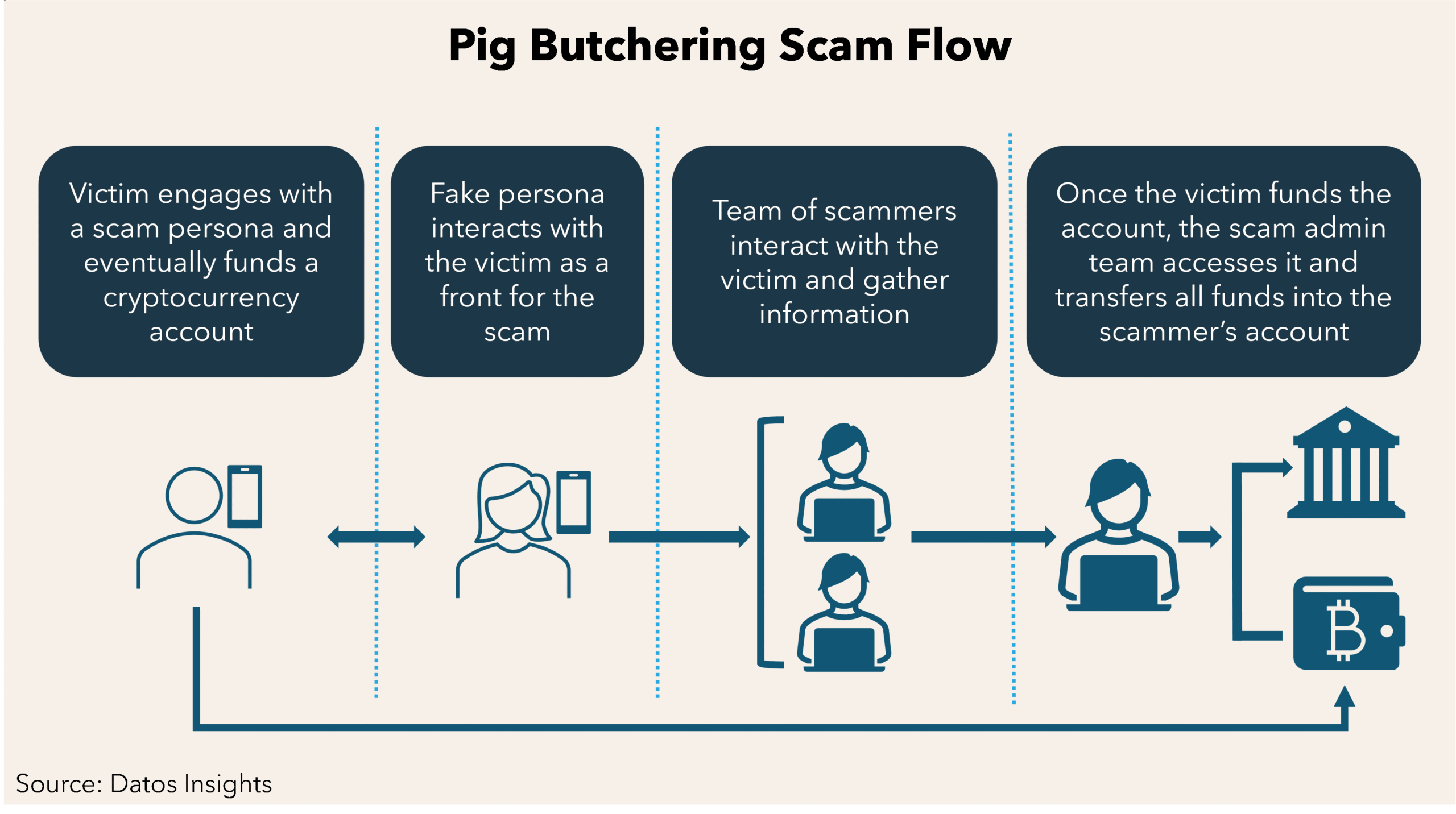
Pig butchering scams are among the most devastating and psychologically manipulative forms of cryptocurrency fraud operating today. Unlike fast-moving hacks or phishing attacks, these scams unfold slowly—sometimes over months—methodically dismantling a victim’s trust, emotional defenses, and financial security before delivering a catastrophic loss.
Understanding how pig butchering scams work is not just educational—it’s essential for recovery, prevention, and justice.
This comprehensive guide breaks down the psychology behind pig butchering scams, how criminals engineer trust, how victims are financially entrapped, and—most importantly—how recovery is still possible with the right expertise and action.
What Is a Pig Butchering Crypto Scam?
The term “pig butchering” refers to a long-con strategy where scammers “fatten” victims emotionally and financially before executing the final theft.
Unlike traditional scams:
-
There is no immediate demand for money
-
Trust is built gradually
-
Emotional manipulation precedes financial exploitation
-
Losses often reach six or seven figures
These scams frequently combine romance fraud, fake investment platforms, and cryptocurrency transfers into a single, highly coordinated operation.
The Psychological Engineering Behind Pig Butchering Scams
Pig butchering scams succeed because they are designed by professionals—often operating in organized international fraud networks.
Phase 1: Targeting and Grooming
Victims are contacted through:
-
Dating apps
-
Social media platforms
-
Professional networking sites
-
Messaging apps
Scammers present themselves as:
-
Successful investors
-
Business professionals
-
Widowed or emotionally available individuals
-
Crypto “mentors” or insiders
The goal is emotional alignment, not immediate money.
Phase 2: Trust Construction
Over weeks or months, scammers:
-
Communicate daily
-
Share fabricated life stories
-
Build emotional dependence
-
Reinforce exclusivity (“only you understand me”)
This stage lowers skepticism and increases compliance.
Victims are not careless—they are strategically conditioned.
Phase 3: Financial Conditioning
Once trust is secured, the scammer introduces:
-
“Investment opportunities”
-
Fake crypto platforms or apps
-
Fabricated profit dashboards
-
Encouragement to start small
Early withdrawals are often allowed to prove legitimacy.
This is where psychological reinforcement turns belief into action.
Phase 4: Escalation and Entrapment
Victims are encouraged to:
-
Invest larger sums
-
Borrow money
-
Liquidate savings
-
Take loans or mortgages
When victims attempt to withdraw:
-
“Tax” fees appear
-
“Liquidity” requirements are added
-
“Verification” or “unlocking” payments are demanded
Every payment is framed as the final step.
Phase 5: The Slaughter
Eventually:
-
The platform stops responding
-
The scammer disappears
-
Wallets are drained
-
Victims are blocked
The emotional impact is often worse than the financial loss.
Why Pig Butchering Victims Feel Trapped
Victims often experience:
-
Shame and self-blame
-
Emotional grief (loss of a “relationship”)
-
Fear of judgment
-
Paralysis and inaction
-
Distrust of all recovery options
Scammers rely on this silence.
But silence protects criminals—not victims.
The Blockchain Truth: These Scams Leave Trails
Despite the emotional manipulation, pig butchering scams cannot erase blockchain evidence.
What Investigators Can Trace
-
Victim-to-scam wallet transfers
-
Consolidation wallets
-
Exchange deposit points
-
Token swaps and bridges
-
Cross-chain laundering paths
These trails are often extensive—and actionable.
Why Pig Butchering Scams Are Recoverable (In Some Cases)
Recovery depends on:
-
Speed of action
-
Asset type (BTC, ETH, USDT, etc.)
-
Exchange involvement
-
Jurisdictional reach
-
Quality of forensic evidence
Many pig butchering operations rely on centralized exchanges at some point—creating legal leverage.
How Professional Recovery Works After a Pig Butchering Scam
Step 1: Trauma-Informed Intake
Victims need:
-
Confidentiality
-
Clear explanations
-
Non-judgmental support
Recovery begins by stabilizing the situation emotionally and logistically.
Step 2: Blockchain Forensic Reconstruction
Investigators rebuild:
-
The full transaction timeline
-
Wallet clusters involved
-
Exchange touchpoints
-
Laundering patterns
This converts chaos into structure.
Step 3: Legal & Compliance Escalation
Recovery professionals engage:
-
Exchange compliance teams
-
AML reporting channels
-
Disclosure mechanisms
-
Cross-border legal instruments
This step separates legitimate recovery from scams pretending to help.
Step 4: Asset Restraint & Repatriation
Where possible:
-
Funds are frozen
-
Ownership is asserted
-
Assets are returned securely
-
Victims regain financial control
Not every case succeeds—but many do when handled correctly.
Why Victims Trust the Fraud Counsel Department
Pig butchering cases demand both technical expertise and emotional intelligence.
The Fraud Counsel Department provides:
-
Specialized pig butchering investigations
-
Advanced blockchain forensic tracing
-
Legal escalation across jurisdictions
-
Confidential, empathetic case handling
-
Transparent, realistic assessments
We understand that victims are recovering from both fraud and betrayal.
What Victims Should Do Immediately
If you suspect or confirm a pig butchering scam:
-
Stop all payments immediately
-
Preserve all communications
-
Document wallet addresses and TXIDs
-
Do not confront the scammer
-
Seek professional recovery guidance
Time directly impacts recovery potential.
From Manipulation to Empowerment
Pig butchering scams thrive on emotional control. Recovery restores agency, clarity, and dignity.
The blockchain does not forget.
And with the right strategy, neither does justice.
Speak With a Recovery Specialist Today
If you or someone you know has been targeted by a pig butchering crypto scam, do not face it alone.
📞 Confidential Consultation: +1 (332) 203-6168
📧 Support Team: Admin@fraudcounsel.net
📍 U.S. Office: 1270 Avenue of the Americas, 7th Floor, 10020, NY