Can Stolen Cryptocurrency Really Be Recovered? What Blockchain Evidence Reveals
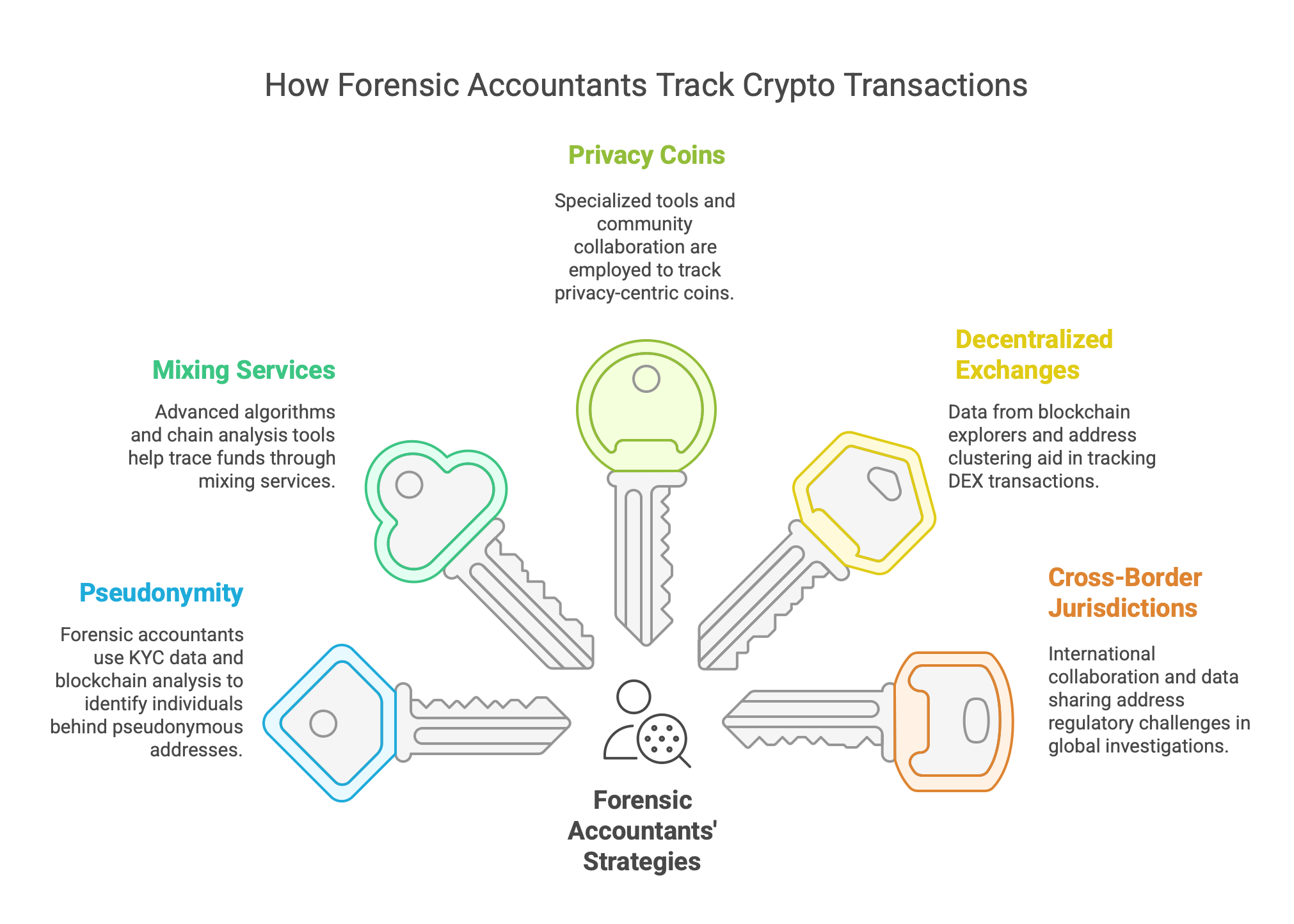
When victims discover their cryptocurrency has been stolen, one belief almost always follows: “It’s gone forever.”
Scammers reinforce this fear. Online forums repeat it. Even well-meaning friends echo it.
But the blockchain tells a different story.
Cryptocurrency is not invisible money—it is recorded money. Every transaction leaves a permanent, timestamped trail. And while recovery is never guaranteed, blockchain evidence has become one of the most powerful tools available to fight digital asset crime.
This in-depth guide explains what blockchain evidence actually reveals, how stolen crypto is traced, when recovery is possible, and why professional intervention changes outcomes.
The Biggest Myth in Crypto Crime: “Crypto Is Untraceable”
Blockchain technology was designed for transparency, not secrecy. While wallet owners are pseudonymous, transactions are permanently public.
What most people confuse is anonymity with complexity.
What the Blockchain Records Forever
Wallet addresses involved
Exact transaction amounts
Time and date of transfers
Asset type (BTC, ETH, USDT, etc.)
Transaction pathways across networks
Unlike cash, crypto cannot disappear. It moves—and movement creates evidence.
What Blockchain Evidence Really Shows
1. Transaction Lineage (The Digital Fingerprint)
Every stolen coin has a history. Investigators can:
Track funds from the victim’s wallet
Follow hops across intermediary wallets
Identify laundering patterns
Map clusters controlled by the same entity
This process is known as transaction lineage analysis, and it forms the backbone of modern crypto recovery.
2. Behavioral Patterns of Criminal Wallets
Fraudsters rarely steal once. Wallets involved in scams often:
Interact with known scam infrastructure
Reuse addresses across victims
Deposit into exchanges under similar timing
Follow predictable laundering sequences
Patterns turn “anonymous” wallets into identifiable actors.
How Stolen Crypto Typically Moves After a Theft
Understanding criminal behavior is essential to recovery.
Common Laundering Routes
Wallet Hopping: Rapid transfers to confuse victims
Token Swapping: Converting BTC → ETH → USDT
DEX Usage: Temporary use of decentralized exchanges
Bridging: Moving funds across chains
Exchange Cash-Out: Final step where recovery leverage appears
That final step—touching a centralized exchange—is where blockchain evidence meets real-world identity.
The Critical Moment: When Recovery Becomes Possible
Crypto recovery does not rely on guessing passwords or hacking wallets. It relies on intervention points.
Recovery Windows Open When:
Funds reach centralized exchanges (CEXs)
Assets are linked to KYC-verified accounts
Exchanges receive legal or regulatory notices
Wallets interact with compliance-controlled platforms
At this stage, blockchain evidence becomes actionable.
How Professional Blockchain Forensics Works
Step 1: Evidence Consolidation
Investigators gather:
Transaction hashes (TXIDs)
Wallet addresses
Asset types and amounts
Timeline of movement
This creates a forensic baseline.
Step 2: Advanced Tracing Tools
Professional teams use:
Transaction graphing
Wallet clustering algorithms
Risk scoring models
Cross-chain analytics
This reveals where the money went—and where it’s going next.
Step 3: Attribution & Intelligence
Blockchain data is correlated with:
Exchange deposit records
OSINT (open-source intelligence)
Known scam databases
Prior criminal cases
Attribution transforms evidence into leverage.
Why DIY Recovery Almost Always Fails
Victims often attempt recovery themselves—and unintentionally damage their case.
Common Mistakes
Contacting scammers directly
Alerting exchanges without legal framing
Falling for “guaranteed recovery” scams
Exposing private keys to fake recovery agents
Waiting too long to act
Blockchain evidence is powerful—but only when used correctly.
Legal Power Turns Evidence Into Action
Blockchain data alone does not freeze funds. Authority does.
Professional recovery involves:
Compliance escalation to exchanges
AML and fraud reporting
Court-backed disclosure requests
Asset freezing mechanisms
Cross-border cooperation
This is where most victims lack access—and where professional recovery teams make the difference.
What Recovery Looks Like in the Real World
Recovery is rarely instant. It unfolds in phases:
Evidence confirmation
Exchange engagement
Legal escalation
Asset restraint
Negotiation or court enforcement
Secure repatriation
Each case is unique. Timing, jurisdiction, asset type, and scam structure all matter.
Why Blockchain Evidence Is Getting Stronger Every Year
Recovery success is increasing due to:
Improved forensic technology
Stricter exchange compliance
Global AML coordination
Better legal recognition of digital assets
Increased reporting standards
Crypto criminals are losing the advantage they once relied on.
Why Victims Turn to the Fraud Counsel Department
The Fraud Counsel Department specializes in evidence-driven crypto recovery—not promises.
Clients choose us because we provide:
Professional blockchain forensic analysis
Confidential case evaluation
Legal and regulatory escalation
International recovery coordination
Honest assessments, not false hope
We treat blockchain evidence as what it truly is: a roadmap to accountability.
The Truth Victims Deserve to Hear
Crypto is traceable
Evidence exists
Recovery is possible
Speed matters
Expertise matters
The blockchain never forgets. Criminals depend on victims giving up before evidence is used.
Take Action While the Trail Is Still Warm
If your cryptocurrency has been stolen, every hour matters.
📞 Recovery Consultation: +1 (332) 203-6168
📧 Confidential Review: Admin@fraudcounsel.net
📍 U.S. Office: 1270 Avenue of the Americas, 7th Floor, 10020, NY