Tracing Stolen Cryptocurrency: How Blockchain Investigation Helps Scam Victims
When cryptocurrency is stolen, many victims are immediately told the same thing:
“Crypto can’t be traced.”
“Once it’s gone, it’s gone forever.”
This narrative is not only misleading — it actively benefits scammers.
At Fraud Counsel Department, one of our most important roles is correcting this misconception and helping victims understand what blockchain technology actually records, preserves, and reveals. While cryptocurrency transactions cannot simply be reversed like credit card payments, they also do not disappear. Every movement leaves behind data, and data is the foundation of investigation.
Blockchain tracing is not magic. It is methodical, technical, and evidence-driven. When applied correctly, it allows victims to finally see what happened to their funds — and what options may still exist.
Why Blockchain Transactions Are Traceable
Most major cryptocurrencies operate on public blockchains. This means that while personal identities are not automatically displayed, the transaction history itself is permanent and transparent.
Each transaction records:
Wallet addresses involved
Transaction hash (unique identifier)
Date and time
Asset type and amount
Network pathway
These records cannot be altered or erased. Even when scammers move funds rapidly, split them across wallets, or attempt to disguise activity, patterns still form.
Understanding these patterns is the key to investigation.
What “Tracing Stolen Crypto” Actually Means
Tracing does not mean guessing. It means reconstructing the journey of funds step by step.
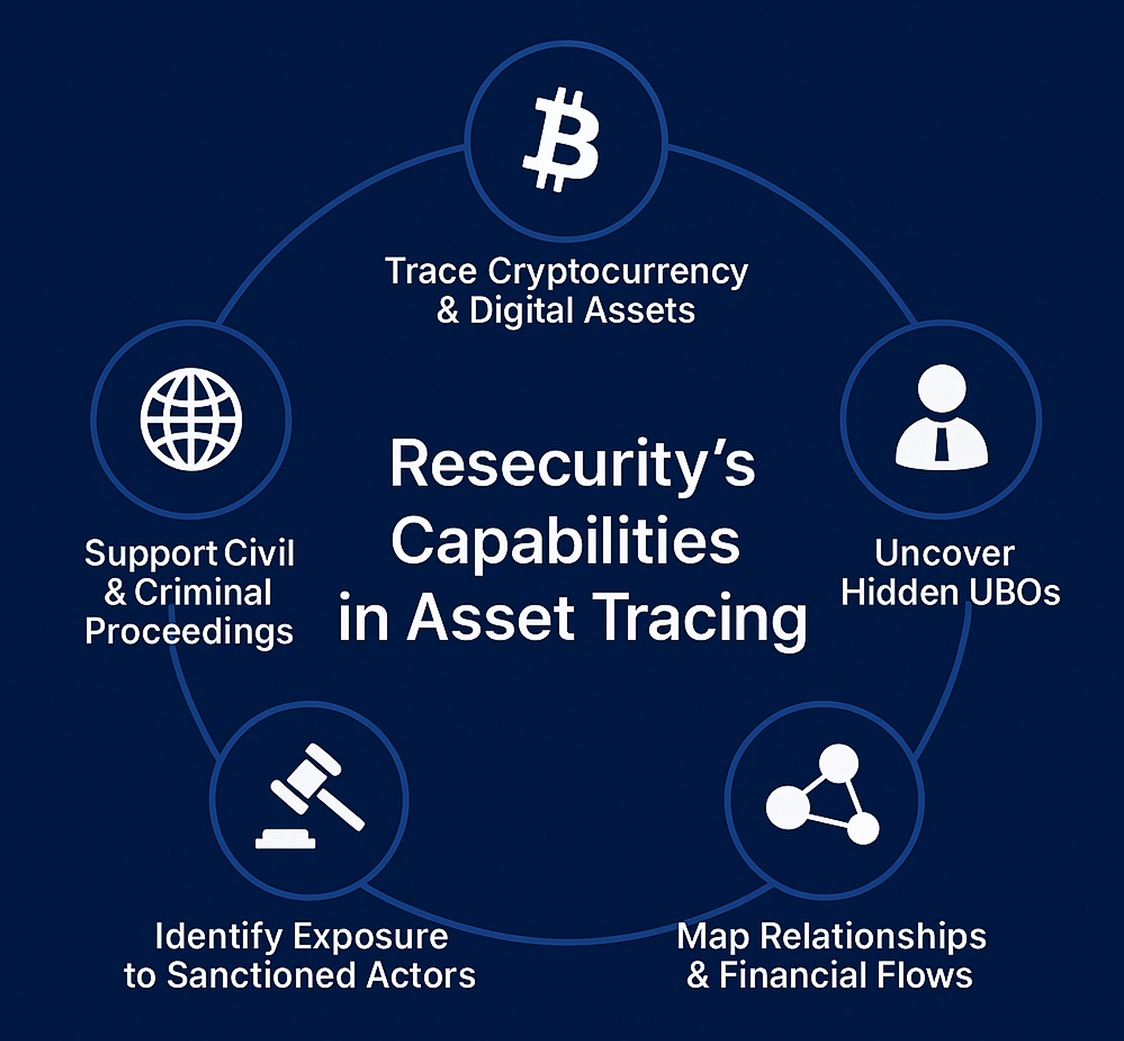
A proper blockchain investigation may include:
Mapping outgoing transactions from the victim’s wallet
Identifying intermediary wallets used for laundering
Detecting fund consolidation or dispersion techniques
Tracking interaction with centralized exchanges
Recognizing repeated scam wallet behavior
This process transforms confusion into clarity. Instead of wondering where the money went, victims are presented with factual, verifiable movement data.
Common Techniques Scammers Use — And Why They Still Leave Trails
Scammers often attempt to create the illusion of invisibility by:
Moving funds rapidly across multiple wallets
Using decentralized exchanges
Bridging assets across chains
Mixing funds with other stolen assets
However, speed does not equal invisibility.
Even complex laundering attempts leave transaction fingerprints. With the right analytical approach, these fingerprints reveal behavior patterns that investigators can follow.
This is why professional guidance matters. Without experience, victims may misinterpret blockchain data or assume complexity means hopelessness.
How Blockchain Investigation Supports Recovery Efforts
Investigation is the foundation of any realistic recovery attempt.
Depending on the case, tracing may help:
Identify exchange deposit points
Support formal reports or legal escalation
Connect multiple victims affected by the same scam
Prevent additional losses by exposing scam infrastructure
Not every traced case leads to full recovery. But every traced case leads to understanding, and understanding empowers victims to make informed decisions instead of desperate ones.
Why Acting Alone Often Leads to Further Losses
After a scam, victims are frequently targeted again.
They may encounter:
Fake “recovery agents”
Requests for additional fees
Guarantees that sound too good to be true
Without proper investigation, victims cannot distinguish legitimate analysis from manipulation. This is why guidance must come before action.
At Fraud Counsel Department, we emphasize:
No guarantees
No pressure
No rushed decisions
Our goal is to help victims regain control — not lose more.
Emotional Relief Through Clarity
One of the most overlooked aspects of blockchain investigation is emotional relief.
Victims often say:
“I finally understand what happened.”
“I’m no longer guessing.”
“I can stop blaming myself.”
Even when recovery options are limited, clarity restores confidence. Victims move from panic to grounded decision-making, which is essential for both financial and personal recovery.
When Is It Too Late to Trace Funds?
Rarely.
While earlier investigation is always better, blockchain records do not expire. Many victims reach out weeks or months later and still gain valuable insight.
The worst outcome is not time — it is inaction.
Our Role at Fraud Counsel Department
We exist to guide, not to exploit.
Our work focuses on:
Professional crypto fraud guidance
Blockchain-based investigation
Transparent explanation of findings
Protection against secondary scams
We believe victims deserve facts, honesty, and respect — not fear-based pressure.
Take the Next Step With Confidence
If you believe cryptocurrency was stolen from you, tracing the funds is the first step toward understanding what happened and what options remain.
Silence and uncertainty only serve scammers.
Guidance, investigation, and clarity serve victims.
Fraud Counsel Department — Contact Information
Phone: +1 (332) 203-6168
Email: Admin@fraudcounsel.net
United States Headquarters
1270 Avenue of the Americas, 7th Floor
New York, NY 10020
United States
Working Hours
Monday – Saturday: Open 24 Hours
Sunday: 12:00 AM – 4:00 PM (EST)
Priority support available during Sunday hours